






Rising oil and gas prices were the main driver of the eurozone’s inflation increase in 2026, according to new Greenpeace research. The environmental organisation warns that fossil-fuel dependence leaves households exposed to international energy crises.
Greenpeace International’s report says annual eurozone inflation rose from 1.7% in January to 3.2% in August 2026. Its analysis attributes the entire increase to higher energy prices.
Eurostat’s August figures recorded a 14.3% annual rise in energy prices.
The role of the war in Iran
The research connects higher energy costs with disruption in international oil markets resulting from the US and Israeli war with Iran.
Greenpeace’s econometric analysis estimates that, without the sharp rise in oil prices, eurozone inflation in August would have been around 2.2% rather than 3.2%.
The organisation uses the term fossilflation to describe the inflationary pressures caused by economies’ dependence on fossil fuels.
It also estimates that changes in energy prices explain 97% of fluctuations in the eurozone’s overall inflation rate between January 2024 and August 2026. This refers to movements in the index, rather than all price increases faced by consumers.
How households might be protected
The report also examines ways to reduce households’ exposure to international fuel prices.
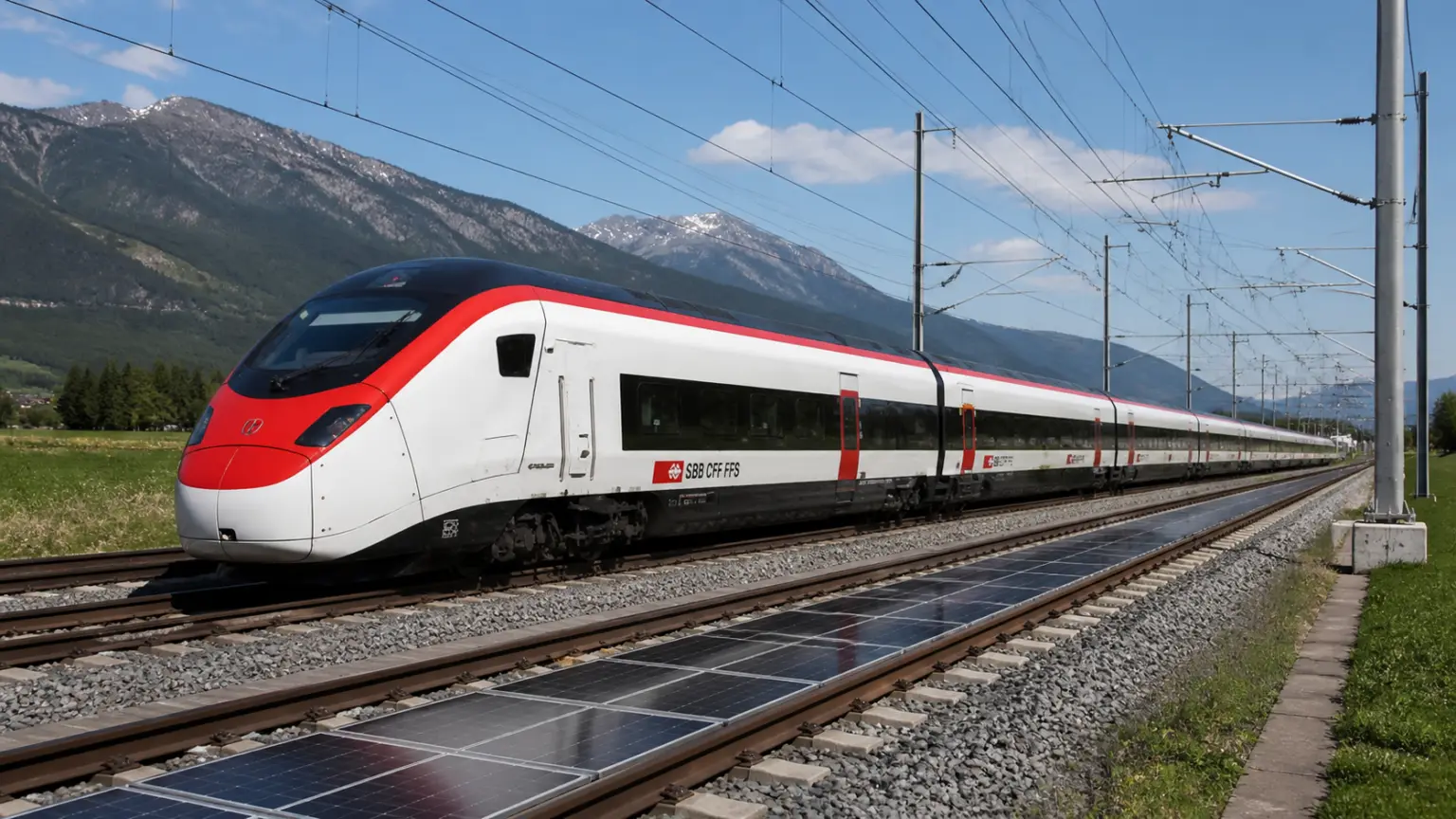
In an illustrative German simulation, a household using an electric car, a heat pump, solar panels and energy storage faced a 1.5% price increase in the consumption basket examined, compared with 2.5% for an average household.
The comparison concerns a specific modelled scenario and excludes the initial purchase and installation costs of the equipment.
What Greenpeace wants governments to do
Greenpeace International campaigner John Noël argues that the problem extends beyond a single conflict and reflects economies’ continuing exposure to fossil-fuel market volatility.
The organisation calls for faster investment in renewables, storage and electric transport, alongside a permanent tax on oil and gas company profits to finance the energy transition.
For Greece, Greenpeace reiterates its opposition to new gas extraction and infrastructure investment, urging the government to prioritise renewable energy and efficiency.
The research draws on Eurostat, European Central Bank and international energy-market data. Conclusions about fuel prices’ contribution to inflation are Greenpeace estimates based on its economic models.