








The Global Ocean Treaty officially entered into force on 17 January 2026, 120 days after reaching the ratification threshold. Greenpeace is celebrating the outcome of two decades of campaigning to protect seas that are home to millions of species and vital ecosystems.
Artists around the world are unveiling large-scale street art to mark the victory, achieved through persistence and contributions from scientists, institutions, organisations and millions of citizens.
Although national and European marine protection frameworks already exist, the treaty is particularly significant. Greenpeace says only 0.9% of the world's high seas currently receive full or high levels of protection. The treaty is crucial to expanding protection, establishing marine sanctuaries that help mitigate the climate crisis, and safeguarding food security for the billions of people who depend on marine resources.
While targets such as protecting 30% by 2030 already apply to national waters, the treaty opens the way to meaningful protection beyond national jurisdiction. This legal step is necessary because nature, wildlife and ecosystems do not follow boundaries such as national borders and require broader, more integrated approaches.
What entry into force means
Governments that have ratified the treaty, including Greece, are now legally obliged to take action to protect the ocean.
Greenpeace says this obligation must lead to meaningful implementation and serious steps towards marine protection. It notes that Greece has previously faced sanctions for failing to comply with agreed environmental measures, and says the Ocean Treaty must not become another example of that failure.
What Greenpeace expects next
The organisation says governments must commit to effective measures. Its message to them is clear:
- The treaty must have the authority to implement measures quickly, without becoming entangled in delays or dependent on bodies such as Regional Fisheries Management Organisations.
- An initial network of sanctuaries must be established to curb excessive human activity and allow ecosystems to recover. These areas must be fully or highly protected, with vast ocean areas closed to destructive activities, unlike many existing marine protected areas that are protected only on paper. Governments must ensure that sanctuaries are based on robust scientific evidence and developed with Indigenous peoples and local communities, so the process is scientifically sound and socially fair.
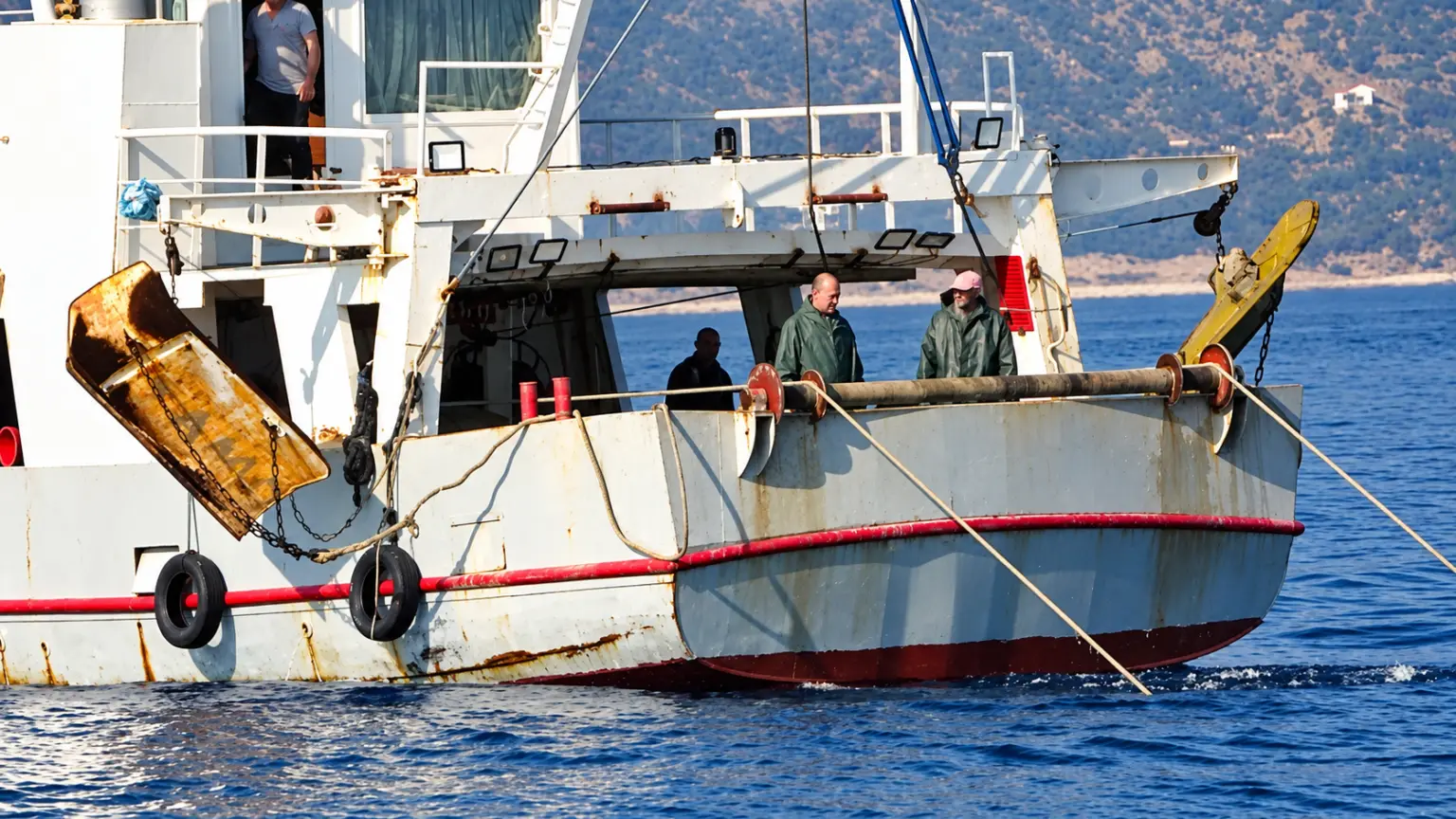
- Fishing must be regulated, especially the largest operators. Greenpeace says poor management of marine ecosystems and the shortcomings of regional fisheries management organisations have left 35.4% of global fish stocks overfished, with the Mediterranean among the world's most heavily overfished seas. Declining stocks, their unequal exploitation by large operators at the expense of local fishers, and widespread use of destructive fishing gear have created a rapidly developing crisis that the treaty can and must address.
- Strong policies must protect marine ecosystems from extractive activities, alongside a commitment to an international moratorium on deep-sea mining. Greenpeace describes this emerging form of metal extraction as destructive and warns that it would cause irreparable damage to the ocean.
- Protection must be continuous and capable of expanding. Meeting the important numerical target of 30% must be a starting point, rather than a limit. Commitments are needed to extend protected areas, establish ecological corridors and designate strictly protected areas covering 10%. For announced marine protected areas and the 30×30 target to deliver real protection, their management and governance must be clarified and made more coherent, with long-term planning.
As with any environmental policy, Greenpeace says the treaty must be the beginning, rather than the end, of sustained commitments and practical measures to protect the sea. At a time when international laws and agreements are being undermined, the organisation insists that it must become a genuine catalyst for action rather than a symbolic victory. International cooperation, it argues, is the only effective way to protect marine life, tackle plastic pollution, respond promptly to climate change and, ultimately, promote world peace.