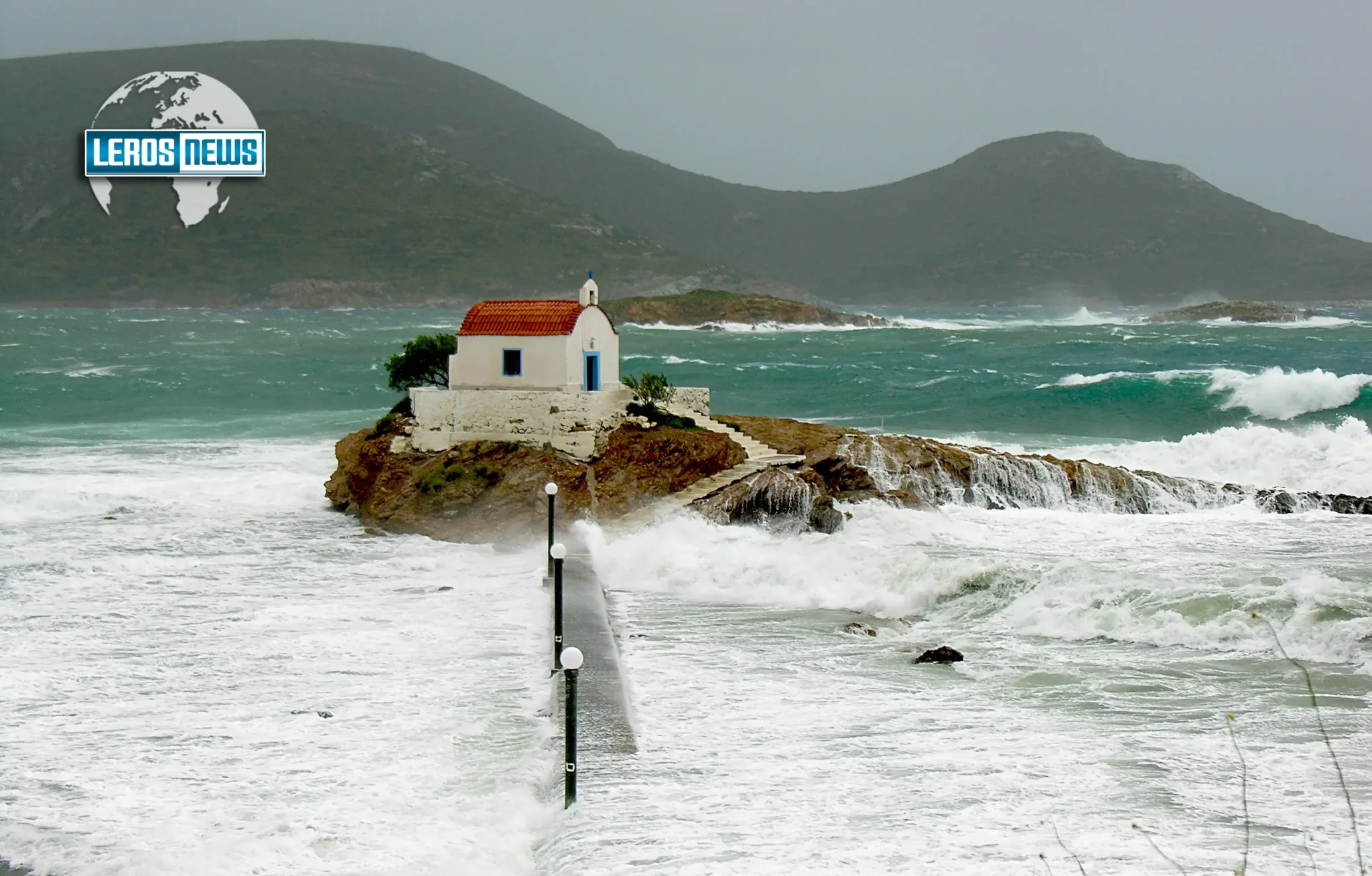










Greece and the sea are inseparable. Alongside its history and culture, the country is internationally renowned for its natural beauty and beaches with clear turquoise waters that attract millions of visitors each year.
Greek seas are considered among the safest places to swim, unlike destinations where the possibility of a shark attack is a familiar concern. Nevertheless, a small number of tragic attacks have been recorded in Greece’s history.
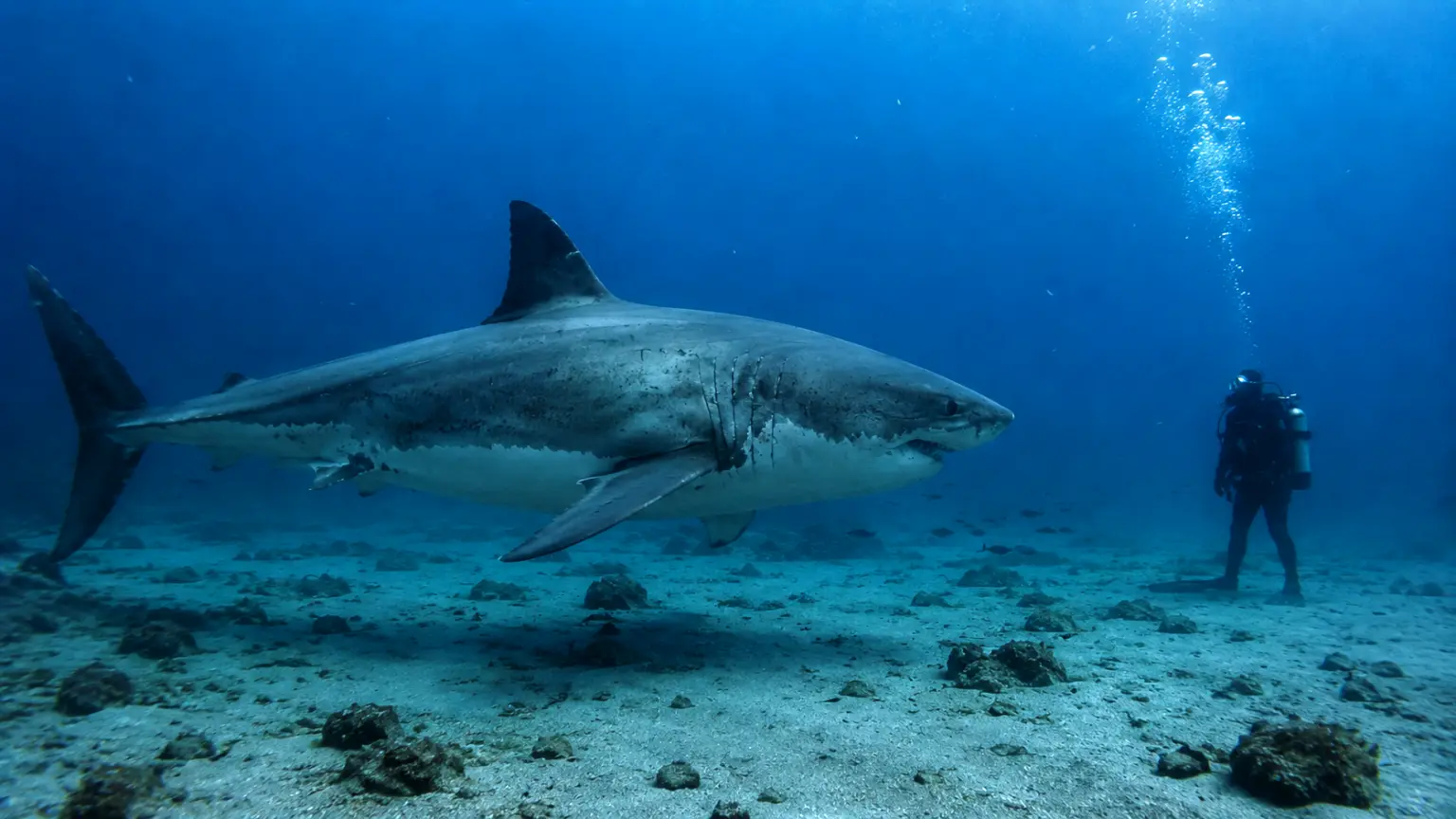
Greek waters are home to 33 shark species, including the great white, one of the largest predatory sharks. Most species are harmless to people and rarely approach shallow water. Recent sightings have nevertheless been reported at Porto Lafia in Evia and Glyfada marina. A large shark was also seen off Corfu in 2025, an island associated with several historic incidents.
Fatal attacks in Greek waters
The first known attack took place in Corfu in 1847. William Mills, a 19-year-old soldier in Britain’s 36th Worcestershire Regiment, died while swimming near the island’s fortress. The incident was reported in the Gazette of the Ionian Islands on 24 July 1847.
Dionysios Solomos, then living in Corfu, was inspired by the incident to write his poem “Porfyras” in 1849.
Two fatal attacks on sponge divers were recorded in Crete in the summer of 1903, according to a manuscript by Giannis Gerakis. No incidents are mentioned during the war, but a further tragedy shocked Piraeus in 1948.
On 22 September 1948, Dimitris Parasakis was attacked by what the newspaper Empros described as a giant shark while swimming at Keratsini. The incident caused panic, with residents reporting sharks everywhere.
A few weeks later, on 26 October 1948, a 4.5-metre shark was caught near Aegina. It was blamed for Parasakis’s death, although there was no evidence linking it to the attack.
The tragedy of Vanda Pierri
On 17 August 1951, 16-year-old Vanda Pierri died following a great white shark attack at Mon Repos in Corfu while swimming with 17-year-old Giorgos Athanasainas. The incident shocked the island.

The Austrian writer’s case
On 1 June 1963, Austrian writer Helga Pohl was killed by a shark while swimming near the islet of Pythou in the Pagasetic Gulf, in front of her friend Wilken. The incident caused alarm in Volos and widespread fear across Magnesia.
Shortly afterwards, on 6 July 1963, residents of Kassandra in Halkidiki reported a five-metre shark, which they believed was the same animal that had killed Pohl.
Another attack was reported in the Pagasetic Gulf in 1981, again involving an Austrian tourist. Some attributed the area’s increased shark presence to industrial and shipping activity after 1977, when Volos port developed as a commercial hub.
Later records
As scuba diving became more widespread, encounters with large marine species increased. On 30 December 1983, 36-year-old Ioannis D. Chrysafis died while fishing. Although a shark attack was initially suspected, the post-mortem examination attributed his death to a boat propeller strike.
Earlier sightings included a shark caught at Kato Achaia in 1962 whose mouth was reported to have a circumference of two metres.
The historical account records 15 confirmed shark attacks in Greek seas over the past 180 years, six of them fatal. Despite these isolated incidents, Greece’s coasts remain among the world’s safest for swimming and recreation.