







As the summer season reaches its peak, prominent Turkish journalist Deniz Zeyrek examines holiday preferences and the sharp rise in Turkish visitors travelling to Greece.
In his analysis, the trend is no coincidence. He attributes it to a combination of difficulties in Turkey’s economy and Greece’s targeted tourism strategy.
The rise in Turkish visits to Greece in numbers
According to the figures Zeyrek cites, outbound travel by Turkish citizens has risen steadily, from 11.1 million trips in 2023 and 11.39 million in 2024 to 12 million in 2025. Spending abroad in 2025 approached $10 billion.
For the Greek islands in particular, he presents the following figures:
- More than 1.5 million Turkish visitors travelled to the Greek islands in 2025.
- Total arrivals at the islands reached 2.6 million, including repeat trips.
- Greece issued 1.1 million fast-track arrival visas to Turkish citizens.
- Turkish visitors spent €500 million on the Greek islands alone.
Ferry bookings point to a further increase of 25%–30% by the end of 2026, according to the report.
Zeyrek stresses that the islands’ success extends beyond Turkish visitors to northern Europeans. Tourism now contributes around 25% of Greek GDP in the figures cited, making it the country’s largest source of foreign exchange.
What lies behind Greece’s success?
Explaining how Greece reached this position, Zeyrek looks back to the 2009 crisis, arguing that the country deliberately made tourism a strategic pillar of growth.
Among the measures he highlights are:
- Tax relief: while the standard VAT rate is 24%, food services and accommodation are subject to 13%. On islands including Lesvos, Chios, Samos and Kos, a 30% reduction brings the applicable rates to 17%, 9% or 4%, as described in the article.
- Fast-track visas: the visa facilitation scheme was more than a diplomatic gesture; it became an economic advantage. Turkish cities such as İzmir, Aydın, Muğla and Balıkesir were treated as nearby markets, making Turkish visitors an important customer base for island businesses.
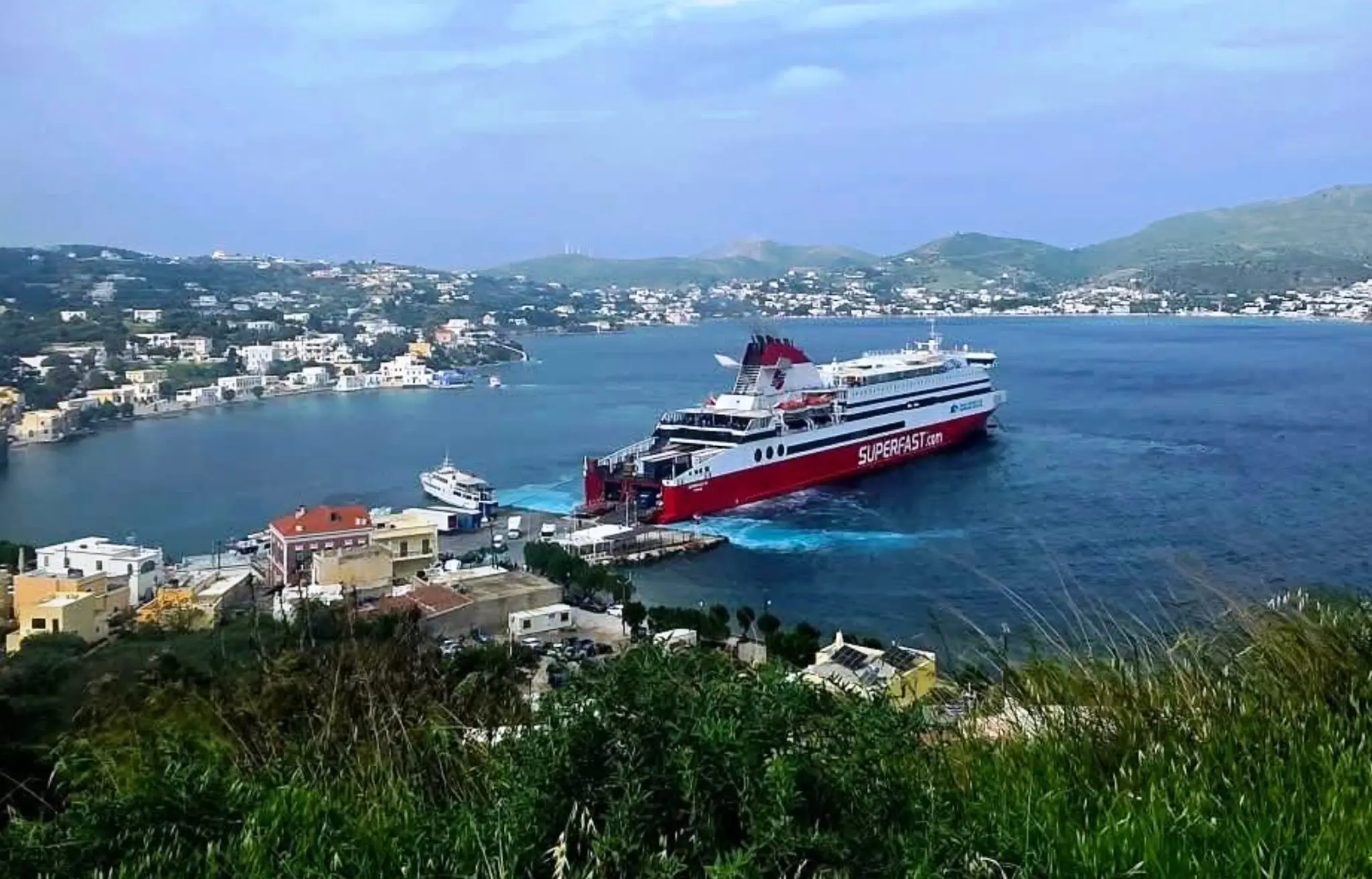
- Quick, affordable travel: crossings of 30 to 90 minutes and reasonably priced return fares, cited as €50 for Çeşme–Chios, €45 for Ayvalık–Lesvos and €48 for Bodrum–Kos, helped turn a foreign holiday into a simple trip to the opposite coast in Turkish visitors’ minds.
Prices and services: the columnist praises Greek authorities’ checks on pricing and the appeal of affordable, good-quality holidays. He says visitors do not face charges for parking or beach access, while vehicle hire is inexpensive.
Turkish inflation and the price of coffee
Turkey, by contrast, has faced five years of severe food inflation and rapidly rising rents, energy bills and staffing costs. Zeyrek says hotels and restaurants have been forced to pass those increases on to customers.
He argues that exchange-rate policy has left Turkish prices higher than those abroad. In his example, a coffee in Bodrum costs at least 300 lira, or €5.50, compared with no more than €3 on a Greek island. The gap is even greater for meals and alcohol, which is heavily taxed in Turkey under government policy.
Samos versus Marmaris: comparing the bill
To illustrate the difference, Zeyrek describes a recent visit to Samos. Travelling with companions, he chose a boutique hotel directly beside the sea.
- Three nights in a double room on Samos cost 17,000 Turkish lira.
- Ten meals for two over four days cost 16,000 lira, compared with the 25,000 lira he estimates the same meals would have cost even in Ankara.
- The total trip, including ferries and the departure tax, came to 43,000 lira.
Meanwhile, a friend who had booked three nights at an all-inclusive hotel in Marmaris, using an early-booking discount in February, paid 70,000 lira for accommodation alone. Including travel from Ankara, the bill exceeded 80,000 lira.
Greece’s psychological advantage
In closing, Zeyrek acknowledges that the economics of an affordable, enjoyable holiday rather than an expensive, lower-quality one are decisive. But he also points to a deeper psychological dimension.
He describes Turkey as a country where daily news of police operations, arrests and tensions creates a pervasive negative atmosphere. By contrast, he concludes, people truly feel on holiday somewhere where those around them respect one another, are friendly, smile, enjoy themselves, sing and dance.