



The Council of the EU agreed a partial negotiating mandate on 20 November 2026 to strengthen how the EU handles natural disasters, health emergencies and other crises. The proposed 2028–34 framework would improve co-operation between member states and establish new medical stockpiles.
The framework covers preparedness for and response to wildfires, floods and earthquakes. It also covers terrorist incidents and chemical, biological, radiological and nuclear emergencies.
The mandate builds on a European Commission proposal from July 2025 to expand the existing Union Civil Protection Mechanism.
Co-ordinating help when disasters overwhelm local resources
The aim is to mobilise help more quickly when a disaster exceeds the capacity of a country’s own emergency services.
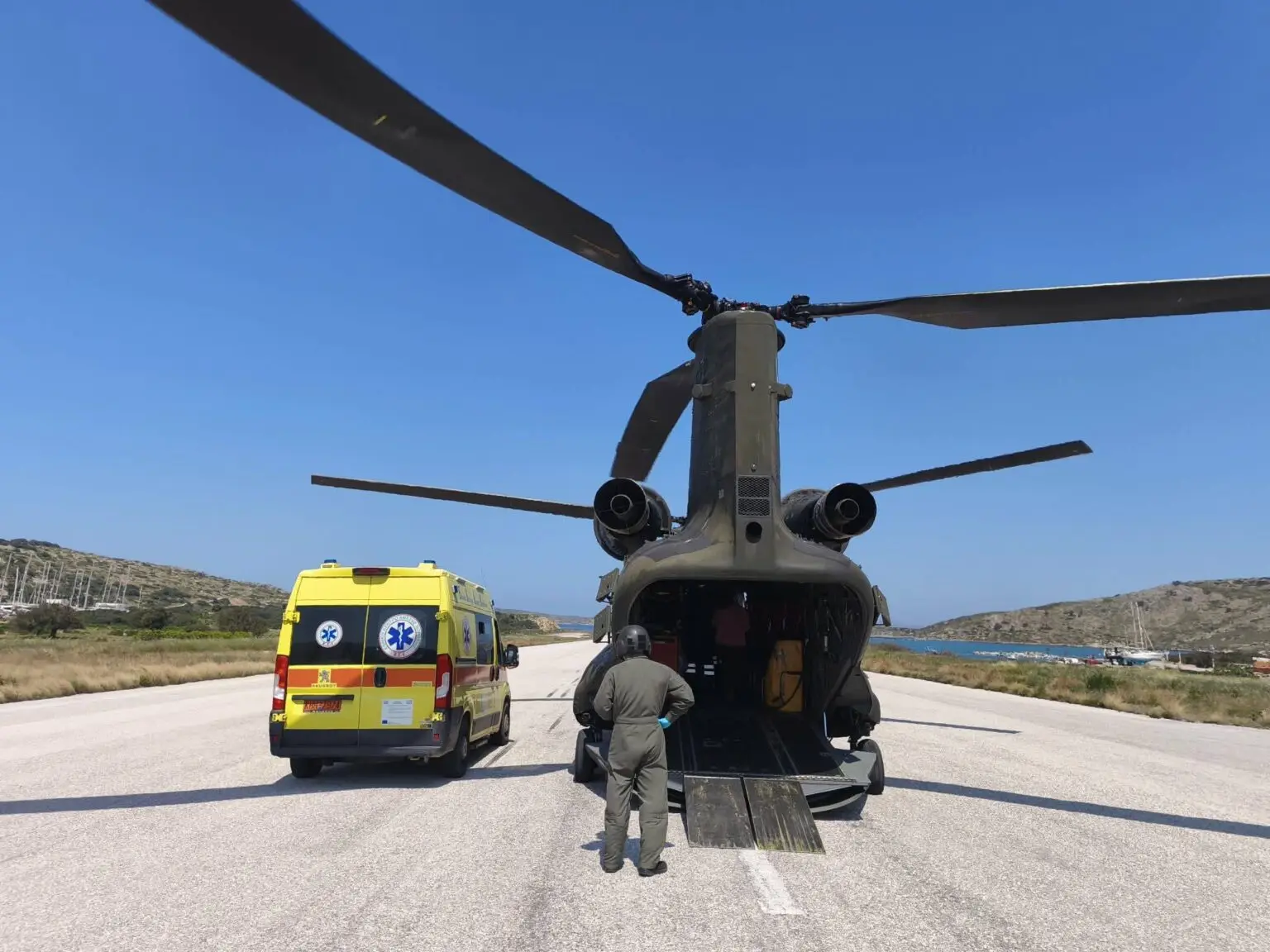
The existing mechanism already allows the EU to co-ordinate deployments of firefighting aircraft, search and rescue teams, medical teams and specialist equipment at a country’s request.
The Council proposes closer co-ordination between civilian and military authorities during major emergencies, while keeping the mechanism under civilian leadership.
The European Commission would support that work through joint training and by helping the authorities share expertise.
Medical stockpiles for health emergencies
The plan would bring civil protection and health emergency preparedness under a single EU funding instrument.
The proposed stockpiles would hold supplies such as the following.
- Medicines and vaccines.
- Medical gloves and masks.
- Other protective equipment and supplies needed for emergency care.
The stockpiles are intended to help get essential supplies to affected areas quickly in a large-scale emergency.
Monitoring crises that affect several sectors at once
The Council proposes an analysis and support team for emergencies that disrupt several sectors at the same time.
The team would monitor emerging and ongoing crises. It could provide technical and operational assistance at the Council’s request.
The Council wants the team to operate within the European Commission’s existing Emergency Response Coordination Centre.
What this could mean for Greece and its islands
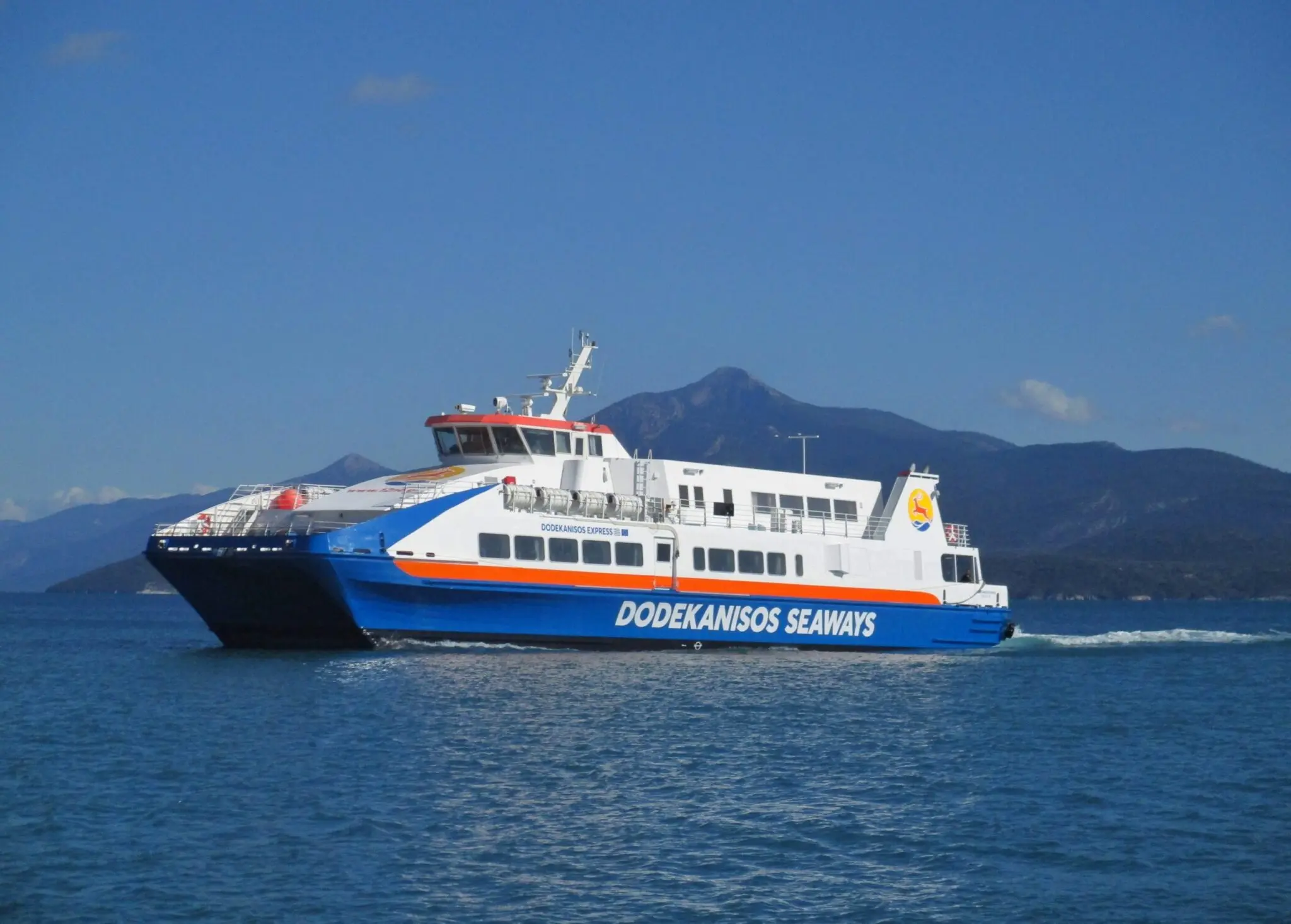
Distances between islands and the mainland can make it harder to bring in additional crews and equipment at short notice. The ability to mobilise help is relevant to islands such as Leros, where authorities have issued very high wildfire alerts.
For major incidents, equipment and teams mobilised through the EU could supplement the work of national civil protection services, particularly where specialist help is needed. Read our civil protection coverage.
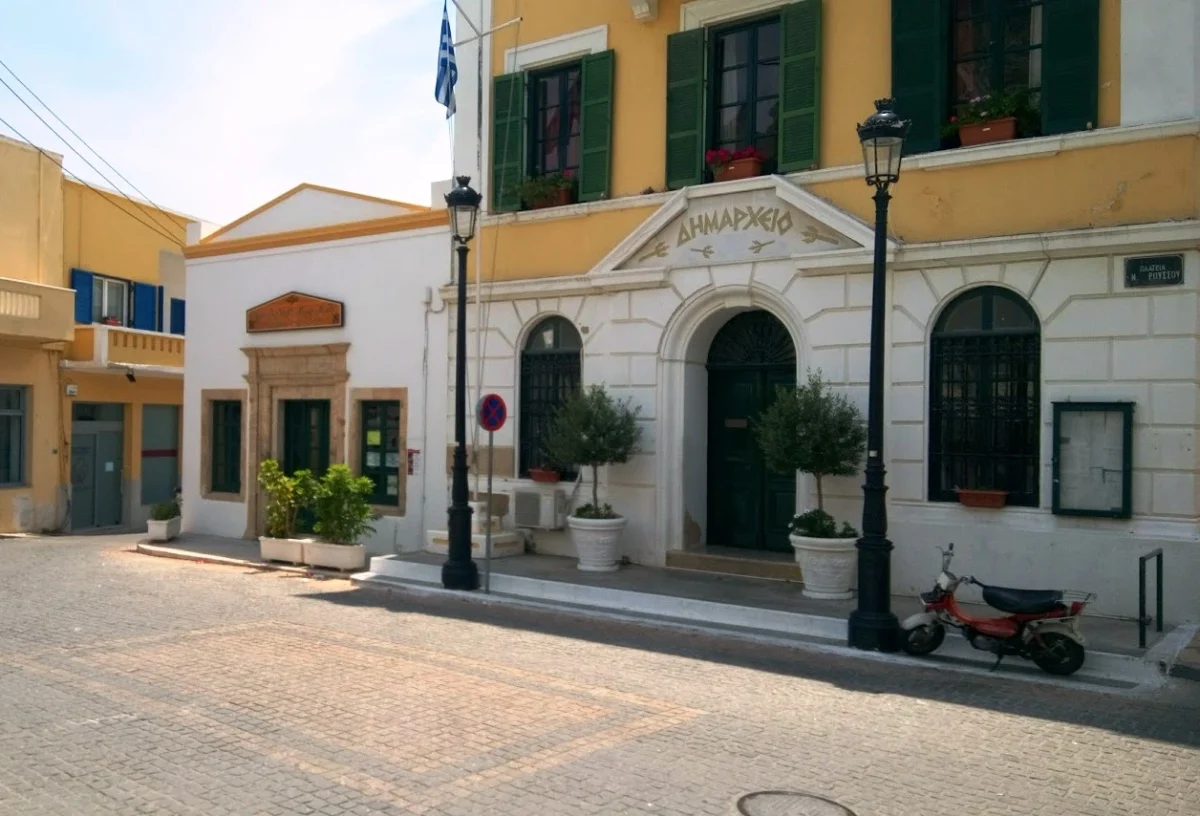
The negotiating mandate leaves financial decisions for later. It contains no funding allocation for Greek municipalities or island councils.
The regulation still needs agreement
The 20 November decision sets out the Council’s partial position for negotiations. The proposed regulation still has to be agreed with the European Parliament.
Talks with Parliament are next. Funding for 2028–34 will depend on the outcome of negotiations on the EU’s next long-term budget.