
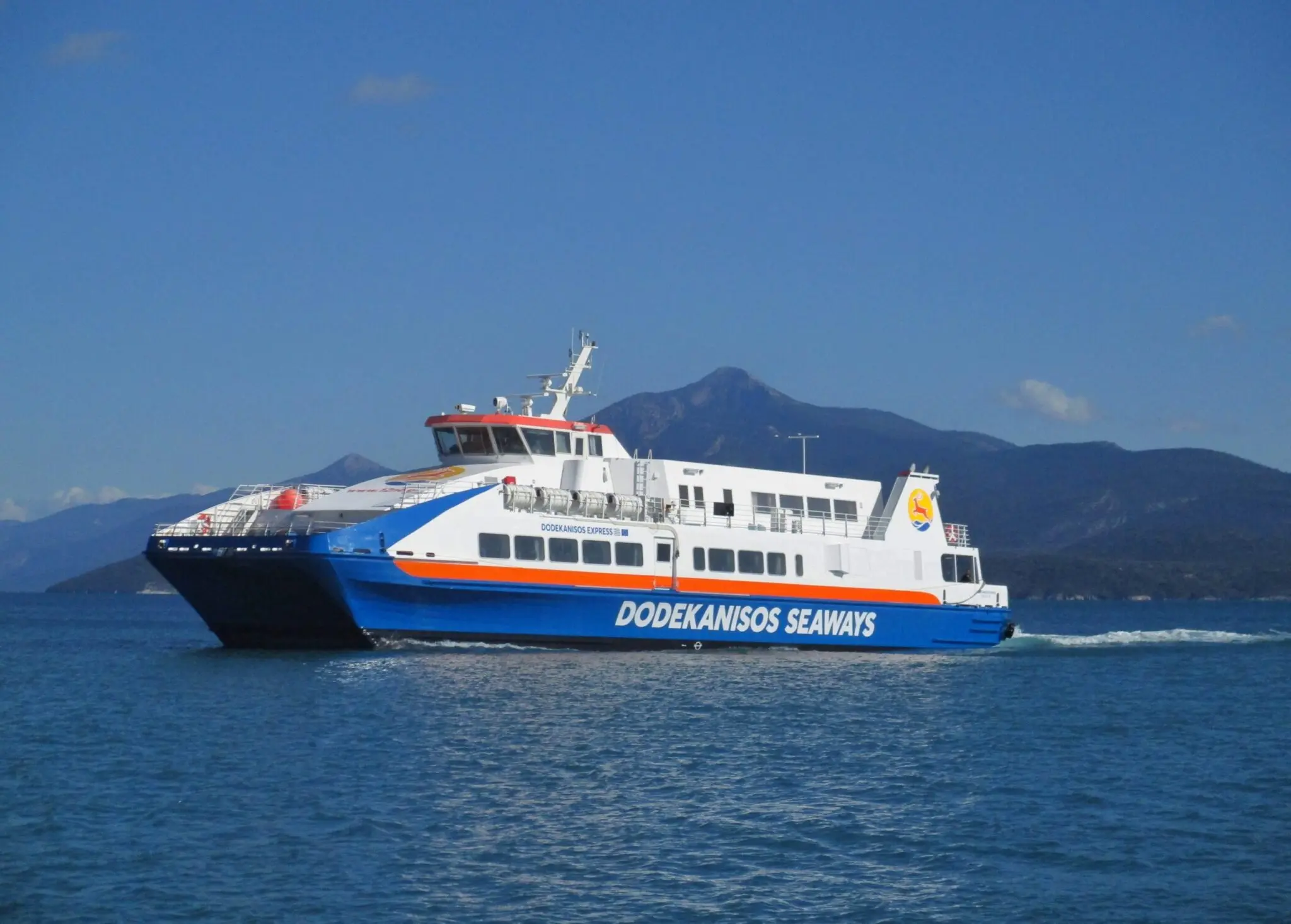





The European Union is providing €228.9m for the first phase of a project to connect the Dodecanese to mainland Greece’s electricity grid, the European Climate, Infrastructure and Environment Executive Agency announced on 16 November 2026.
Greece’s Independent Power Transmission Operator (IPTO) is delivering the project. Connecting the islands to the national grid is expected to make their electricity supply more reliable and reduce their reliance on oil-fired power stations.
The first phase has an estimated budget of €2.54bn and includes a high-voltage subsea power link between Corinth and Kos.
The funding package includes:
- €228.9m in EU grant funding through the Public Sector Loan Facility.
- €1.53bn in lending from the European Investment Bank.
- €534m in grant funding from Greece’s Islands Decarbonisation Fund.
The EU agency said this was the largest grant yet awarded to a single project through the facility.
How the Dodecanese will be connected
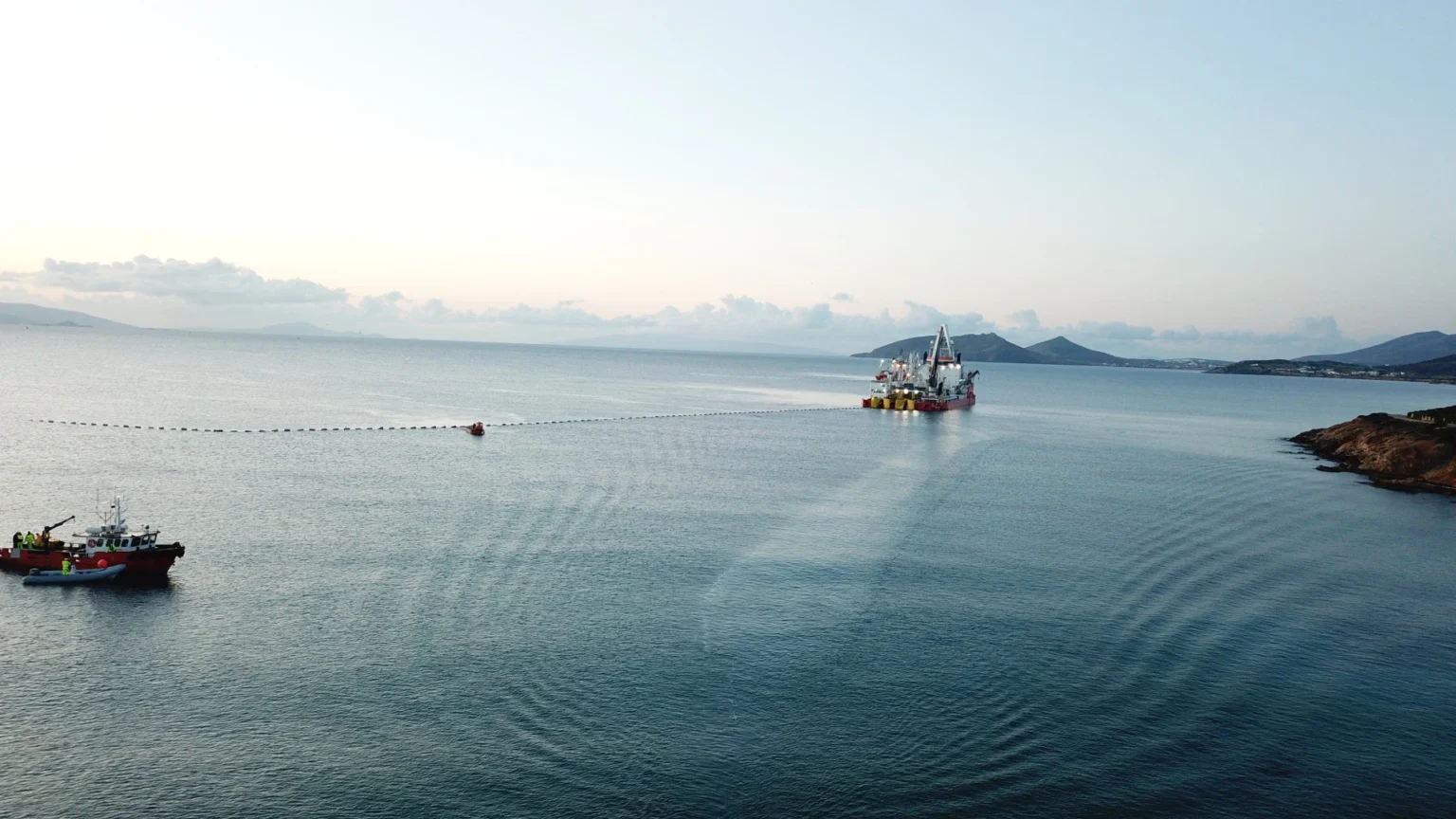
The first phase will install a high-voltage direct current (HVDC) cable system with a transmission capacity of 1,000 MW, together with two converter stations.
IPTO puts the total length of the subsea and underground Corinth–Kos cables at about 1,290 km.
Rhodes and Karpathos are due to connect in the second phase. IPTO’s wider plan includes indirect connections for smaller islands such as Leros, Patmos, Leipsoi, Kalymnos, Nisyros, Tilos and Symi. Agathonisi does not appear in the list IPTO published.
Corinth–Kos cable project gets under way
On 9 November, IPTO announced that it had signed contracts with Hellenic Cables for the subsea and underground cables on the €1.48bn Corinth–Kos project.
The contracts move the cable project into delivery, with seabed surveys due to follow.
The EU agency estimates that the first phase will cut carbon dioxide emissions by about 7.7 million tonnes over 25 years. The link will also make room for more renewable electricity on the grid.
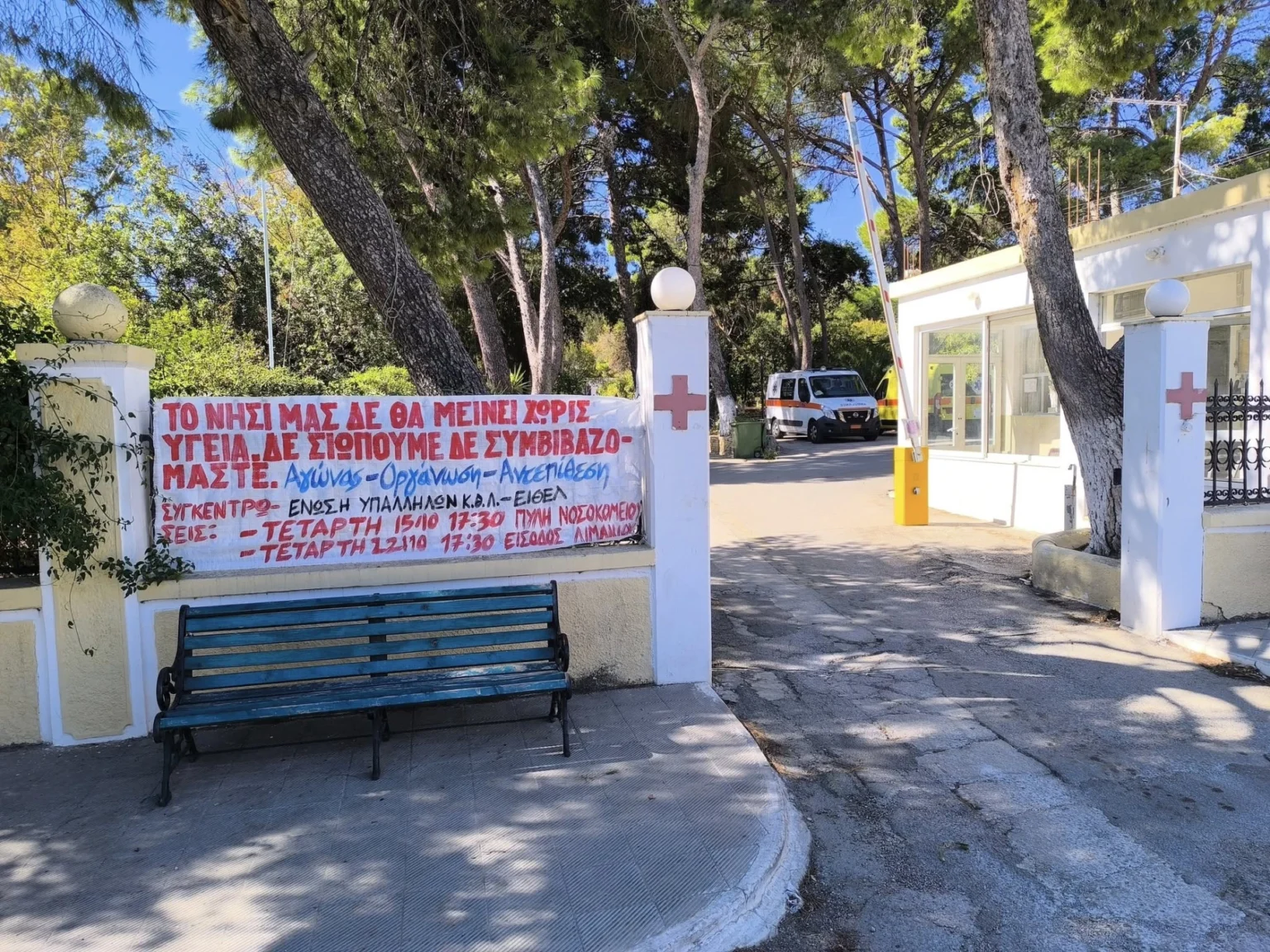
The link is expected to improve the reliability of electricity supplies across the Dodecanese and cut the cost of generating power on islands that currently operate apart from the mainland grid. Leros has experienced power supply problems affecting homes and businesses.