


The South Aegean Region is allocating €2.8 million from the South Aegean 2021–2027 programme to establish two new mental-health care facilities on Kos and Syros.
The facilities are intended for people with substantial and often complex daily care needs, alongside their families and carers.
The Regional Governor has issued a second amendment, extending the deadlines for two calls addressed to the Ministry of Health's Mental Health Directorate. Their combined co-financed public expenditure is €2.8 million, supporting two new Comprehensive Mental Health Day Care Centres with mobile teams.
The model goes beyond operating a day centre. It combines services at the facility with community intervention and, particularly, home care, so specialist support can reach people where they live.
Each call provides €1.4 million for two years of operation.
Kos: comprehensive care for people with dementia and Alzheimer's disease
The first €1.4 million call concerns a Comprehensive Mental Health Day Care Centre on Kos, with mobile teams for people with dementia or Alzheimer's disease.
It aims to address gaps in specialist services for those affected, their families and carers.
The facility will serve adults diagnosed with dementia at every stage, providing daytime therapeutic care and psychosocial rehabilitation both at the centre and at home.
Home services become particularly important as the disease progresses and a person's ability to manage independently declines. Mobile teams will therefore provide care at beneficiaries' homes throughout the illness, with particular emphasis on severe and end-stage cases.
Services will include outpatient clinics, daytime therapeutic and psychosocial care, medical monitoring, therapeutic interventions and medication, creative activities and skills practice, support during relapses, and information and assistance in accessing other health and social-care services.
People at an advanced or final stage will receive particular attention, including daily home care and palliative care.
Families and carers will also receive training, counselling, help with practical day-to-day care problems and support in managing stress and bereavement.
Up to 85 beneficiaries and three mobile teams on Kos
The planned capacity is up to 85 beneficiaries.
Up to 20 people per shift, or 40 across two shifts, will attend regularly, with activities for people whose condition is of moderate severity.
A further 15 people in the early stages will receive outpatient-style services during the morning shift.
Each mobile team will provide home care for ten people, allowing up to 30 beneficiaries to be supported by three teams.
The centre is expected to develop up to three mobile intervention teams, either from the start or as its operation expands.
At full capacity, 25 staff are planned across the two shifts and mobile teams. The multidisciplinary team will include, indicatively, a psychiatrist, neurologist, psychologist, nursing staff, occupational therapist and/or speech and language therapist, physiotherapist, physical education specialist, social worker, carers and other personnel.
Syros: autism and neurodevelopmental support
The second €1.4 million call concerns a Comprehensive Mental Health Day Care Centre on Syros, with a mobile team for people with autism and neurodevelopmental disorders.
It will operate throughout the day and provide home care through its mobile team, addressing existing gaps in health care and complex support needs.
Children and adults diagnosed with autism or neurodevelopmental disorders will be eligible. The aim is daytime therapeutic care and psychosocial rehabilitation, both at the centre and at home.
Services will include outpatient clinics, specialist mental-health day care, daily holistic care, creative activities and skills practice, medical monitoring, therapeutic interventions and medication where required.
The centre will also train and support carers, inform and support health professionals on prevention and early detection of autism spectrum disorders, and work with other facilities to support participation in daily life.
The mobile intervention team will provide home care and, where necessary, transport beneficiaries to and from their homes.
Opening hours will be extended according to beneficiaries' needs, potentially covering 7.30am to 9.30pm.
Planned capacity on Syros
The centre is expected to serve up to 20 beneficiaries per shift, or 40 across two shifts, with regular attendance and activities for people described in the call as having moderate and high levels of functioning.
A further 15 people will receive outpatient-style services during the morning shift, and ten to 15 will receive home care through the mobile team.
At full capacity, 25 staff are planned across the two shifts and home-care team.
The multidisciplinary workforce will include, indicatively, a psychiatrist or child psychiatrist, paediatrician, psychologist, nurse, nursing assistant, occupational therapist and/or speech and language therapist, and other staff required for the service.
Eligible operators and deadlines
Both calls identify the Ministry of Health and mental-health non-profit civil companies under Law 2716/1999 as potential beneficiaries. The Ministry may assign operation to those organisations through the established expression-of-interest procedure.
Online submission through the Integrated Information System opened at 8am on 16 February 2026.
The second amendment extends the closing date to 3pm on 31 December 2026.
Co-financing is planned for two years, with the option to extend it until the end of the programming period.
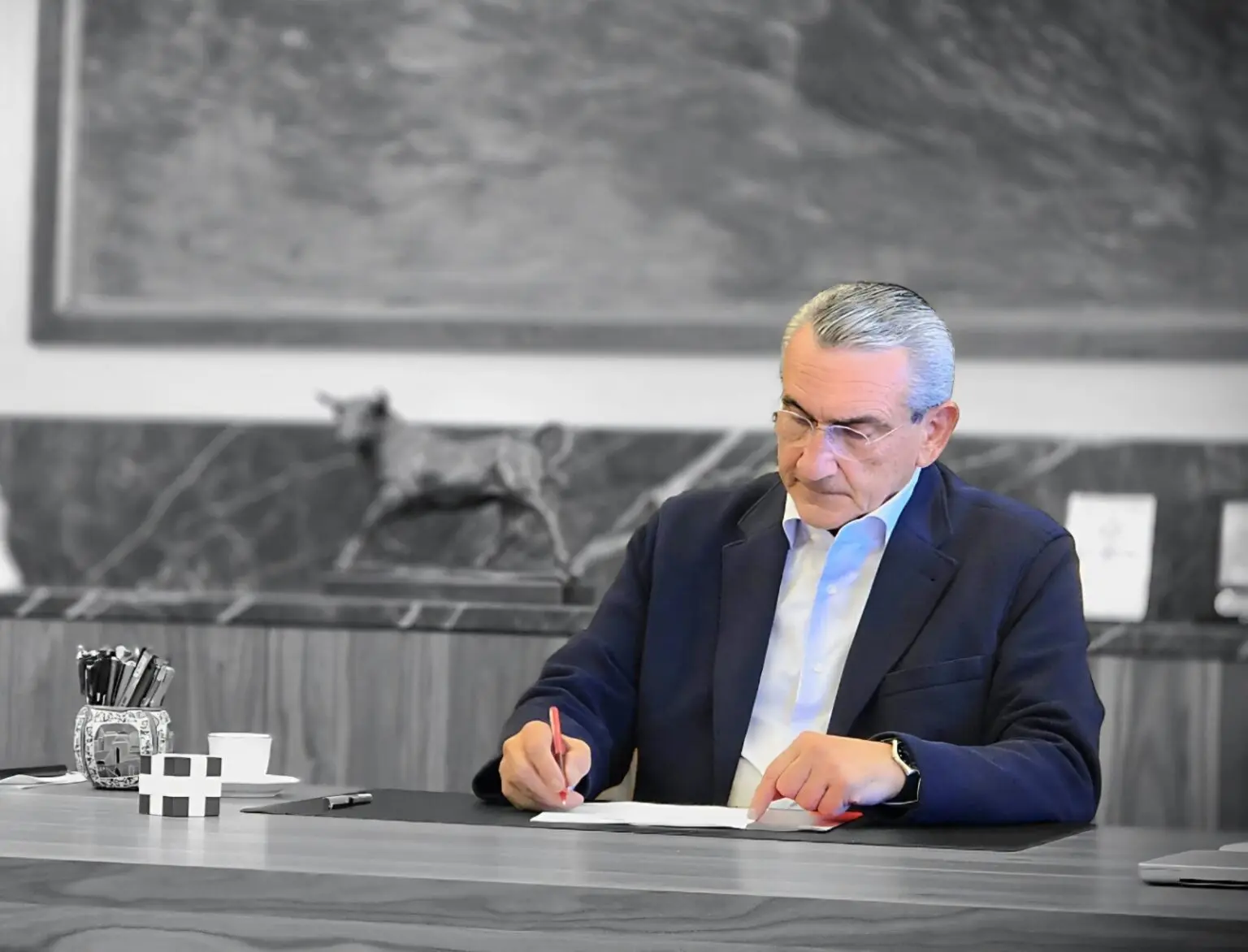
Giorgos Hatzimarkos: no one should face care needs alone
The Governor said:
“‘No one alone’ is a consistent principle for us in the South Aegean Region. It gains real meaning when we can direct available resources to genuine, heightened needs.
“With €2.8 million from our Region's European resources, we are funding two new facilities on Kos and Syros for people who need specialist, systematic care, and for the families and carers beside them every day.
“Supporting those in need is the responsibility of a society that leaves no one behind. On our islands it is even more important that services can reach people, including in their homes when they cannot reach those services themselves.
“That is what these two new facilities serve. No one alone in facing illness; no one alone with daily difficulties and the responsibility of care.
“The resources available to us gain value when they become real support for those who need it most.”